




Why Does My Vision Get Blurry at Night? Common Causes of Night Driving Difficulties
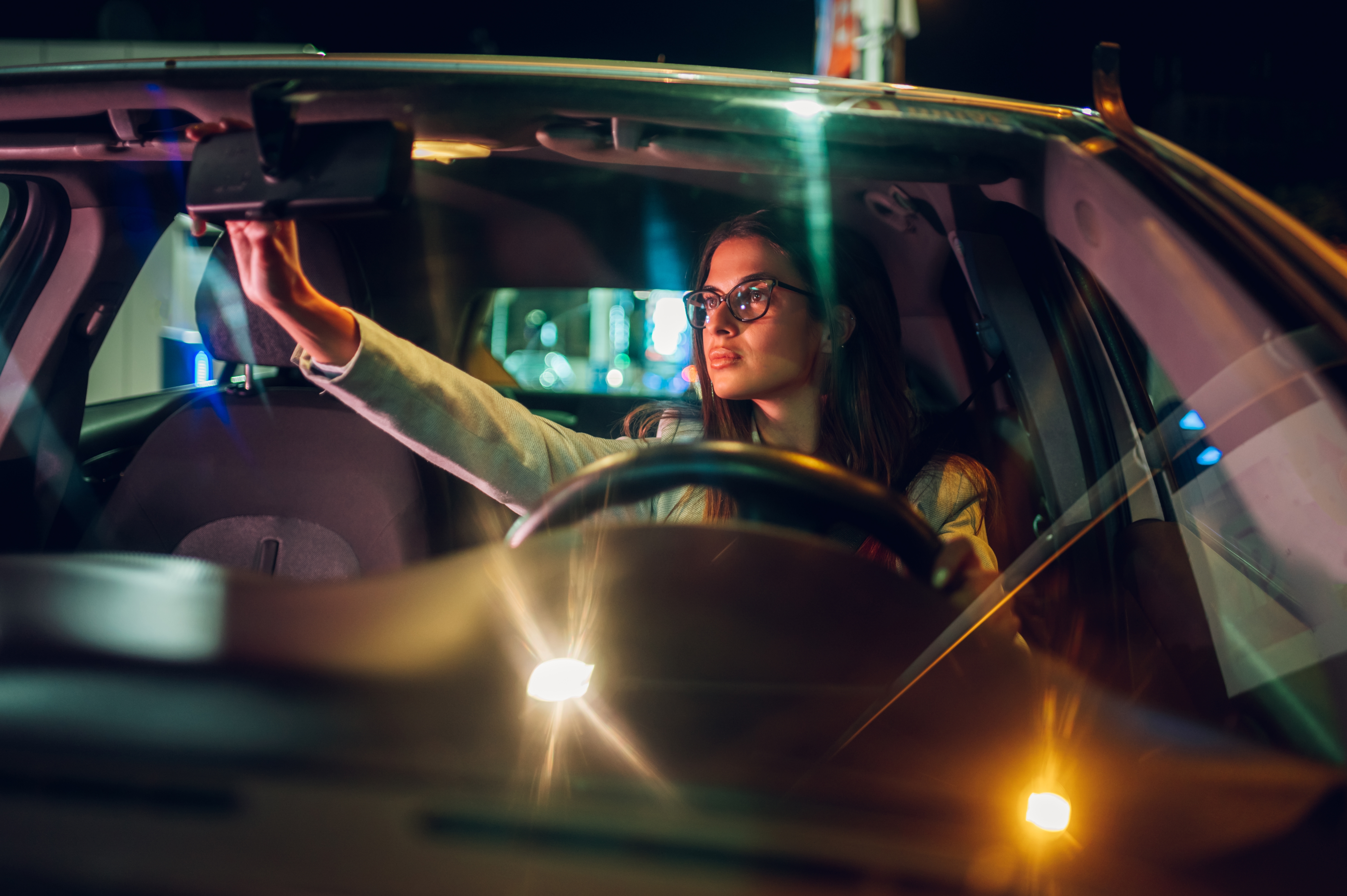
Driving after sunset can feel very different from driving during the day. Street signs may appear fuzzy, headlights can produce distracting glare, and dark objects may be harder to distinguish. If you're noticing blurry vision at night, it may be more than a lighting problem. At Optimal Optometry, we help patients in Ontario, CA understand what's affecting their night vision and what steps may improve clarity.
Why Vision Changes After Dark
When light levels drop, your pupils widen to admit more light, while reduced contrast makes details harder to distinguish. Small focusing errors may become more noticeable, particularly when looking at distant objects. Bright headlights against dark surroundings can also make glare and halos more distracting.
Occasional difficulty adjusting to darkness can happen, but persistent night driving difficulties should not be dismissed as a normal part of aging.
Common Causes of Night Driving Difficulties
Several eye conditions can contribute to blurry vision at night:
- Outdated prescription or nearsightedness: Even a mild prescription change can make road signs harder to read. Some people also experience night myopia, which makes distant objects appear blurrier in low light.
- Astigmatism: Differences in how the eye focuses light can make headlights look streaked, smeared, or surrounded by halos.
- Dry eye: An unstable tear film can cause fluctuating blur, light sensitivity, and glare, particularly after long periods of screen use or exposure to vehicle air vents.
- Cataracts: Clouding of the eye's natural lens can scatter light, causing hazy vision and increased sensitivity to oncoming headlights.
- Other eye conditions: Glaucoma and certain retinal disorders can affect peripheral vision, contrast sensitivity, or the ability to see in dim lighting.
Because these causes can produce similar symptoms, an eye exam is the best way to determine what's contributing to your night vision changes.
How an Eye Exam Can Identify the Cause
At Optimal Optometry, we assess more than how well you read an eye chart. During a comprehensive eye exam, we review your symptoms, measure your vision, check your prescription, and evaluate the health of your eyes. Depending on your findings, we may look more closely at your tear film, natural lenses, retina, and optic nerves.
Tell our eye doctor whether the blurriness affects one or both eyes, when it started, and whether headlights create glare or halos. These details help us recommend appropriate next steps, such as an updated prescription, dry eye management, or further evaluation.
Practical Tips for Safer Night Driving
Make sure your glasses or contacts have an up-to-date prescription, and keep your lenses, windshield, and headlights clean. An anti-reflective coating on prescription glasses may help reduce distracting reflections. Avoid relying on yellow-tinted night driving glasses, which can reduce the amount of light reaching your eyes.
If you cannot clearly recognize road signs or pedestrians, avoid nighttime driving until your vision has been evaluated. Seek urgent medical attention for sudden vision loss, severe eye pain, or a new dark curtain across your vision.
If blurry vision or glare is making driving after dark uncomfortable, schedule a comprehensive eye exam with Optimal Optometry in Ontario, CA, by calling (909) 563-3120.

Interested in our
Services?
Schedule an appointment with this form to schedule a time with our professional staff!
Phone: (909) 563-3120
Fax: (909) 738-1370
- MondayClosed
- Tuesday9:00 AM - 6:00 PM
- Wednesday9:00 AM - 6:00 PM
- Thursday9:00 AM - 6:00 PM
- Friday9:00 AM - 6:00 PM
- Saturday9:00 AM - 2:00 PM
- SundayClosed
- Closed Weekdays for Lunch 1:00PM - 2:00PM
Powered by: 